
How to Do a Pelvic Tuck: A Simple Guide to Better Babywearing Positioning
When you first start babywearing, there can seem like a lot to master! Are their airways clear? Are their legs in the right position?
Then someone mentions the pelvic tuck and you may find yourself wondering: What on earth is that?
The good news is that the pelvic tuck is much simpler than it sounds. It is a small adjustment you can make after placing your baby into a wrap or baby carrier to help them settle into a comfortable, supported position.
Once you understand what you are aiming for, it often becomes a natural part of putting your baby into their carrier.
What is a pelvic tuck?
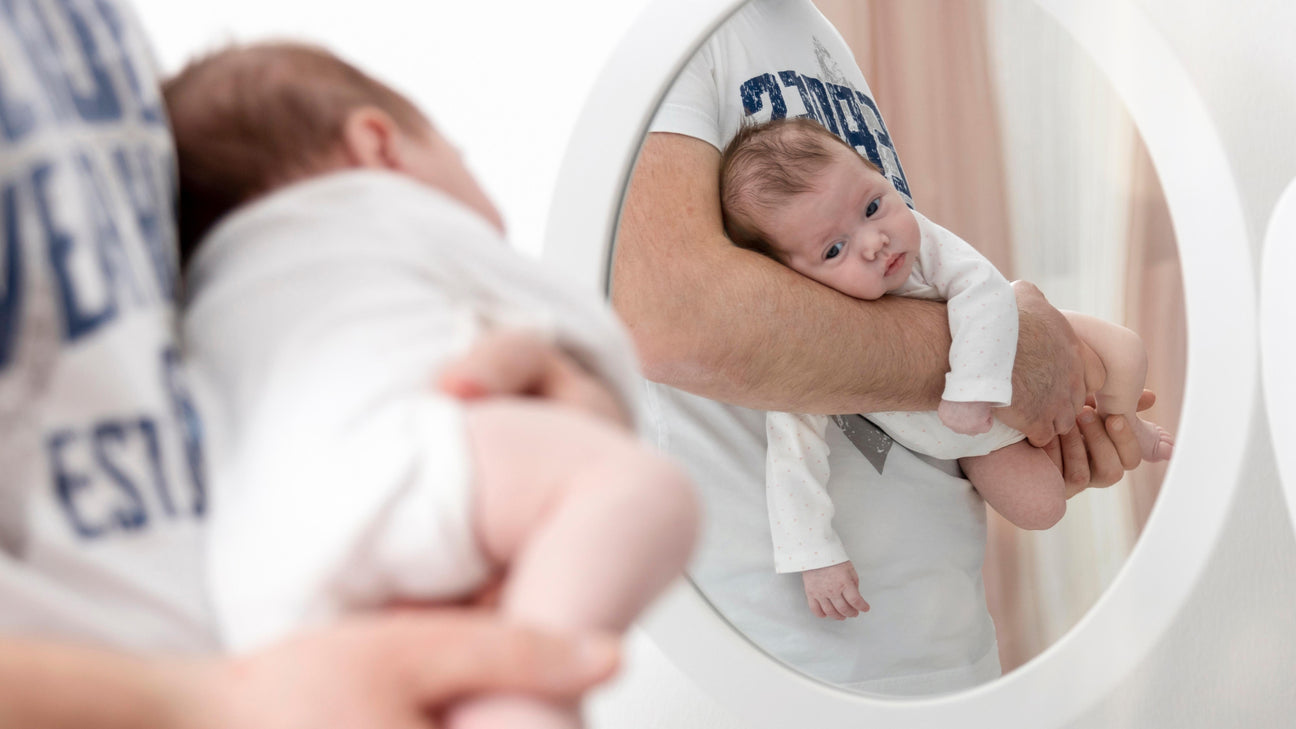
A pelvic tuck, sometimes called a pelvic scoop, is a gentle movement that helps your baby settle their weight onto their bottom.
The aim is for your baby’s bottom to sit lower than their knees, creating the familiar M position when viewed from the front. From the side, your baby should have a gently rounded position rather than sitting very straight or slumping forwards.
Think about how a relaxed young baby naturally curls against your chest. Their knees are usually drawn upwards, their bottom settles down and their body rests closely against you.
A pelvic tuck helps recreate this comfortable position inside a well-fitted baby wrap or carrier.
It is not about forcing your baby’s legs into position or pressing on their body. Instead, it is a gentle adjustment that helps their pelvis settle so the carrier can support them more effectively.
****** Amanda's Illustrations********
Why is the pelvic tuck important for babywearing?
The pelvic tuck can help create a more comfortable and stable position for your baby, particularly when they are very young.
When your baby’s pelvis is gently tilted and their bottom is allowed to settle down into the carrier, their knees naturally come higher. This creates a broader, more supportive base for them to sit on.
Rather than their weight hanging from their legs or resting around the backs of their knees, you want your baby to feel as though they are sitting comfortably in the carrier.
This can also help bring your baby’s chest into close contact with your body, allowing the carrier to support their back more effectively.
Good positioning should always work alongside the other essential principles of safe babywearing. Your baby should be held securely, their face should be visible, they should be close enough to kiss and their chin should remain clear of their chest.

How does the pelvic tuck create the M position?
You may often hear babywearing consultants talk about the M position.
This simply describes how a baby’s legs and bottom can look when they are comfortably positioned in a carrier.
Viewed from the front:
- your baby’s bottom sits in the centre,
- their knees are raised slightly higher than their bottom,
- and their thighs are supported.
Together, this creates a shape that looks a little like the letter M.
It is worth remembering that you do not need to chase a “perfect” M shape or force your baby into a particular pose. Every baby is different, and positioning will naturally change as your baby grows.
The goal is simply to help your baby feel well supported, comfortable and able to rest naturally against you.
How to do a pelvic tuck in a baby carrier
Once your baby is safely inside your wrap or carrier, place one hand under each of their thighs.
Gently scoop your hands towards you and slightly upwards, allowing your baby’s bottom to settle more deeply into the carrier.
Another way to think about it is to imagine you are holding two glasses of water and gently tipping the water away from you. Your baby’s pelvis rotates slightly, their bottom settles and their knees naturally rise.
You can then check that:
- your baby is sitting on their bottom,
- their knees are comfortably raised,
- their thighs are supported,
- their chest is resting against you,
- and their back feels supported by the carrier.
The movement should always be gentle. You are helping your baby settle into position, not forcing their hips or legs.
Do you need to do a pelvic tuck in a stretchy wrap?
Yes, a pelvic tuck can be a really useful finishing step when using a stretchy baby wrap.
After placing your baby into the wrap and spreading the fabric correctly, gently scooping their pelvis can help their bottom settle down and their knees come into a comfortable position.
A good pelvic tuck works together with a properly tightened wrap. If the fabric is too loose, your baby may gradually sink down or slump, regardless of how carefully you positioned them at the beginning.
Our Hana Baby Sling Instructions page includes step-by-step guidance, videos and important safety information to help you learn how to use your Hana Baby Wrap with confidence.

What about the pelvic tuck in a buckle carrier?
The pelvic tuck is also helpful when positioning your child in a buckle carrier such as the Hana Baby Expand.
Before putting your baby into the carrier, make sure the seat width and panel height are adjusted appropriately for their size.
Once your baby is in the carrier, you can gently scoop under their thighs to help their bottom settle down and their pelvis tilt into a comfortable position.
The carrier fabric should support their thighs appropriately without placing unnecessary pressure behind their knees.
Our Hana Baby Carrier Instructions page includes expert tutorials and videos showing you how to set up and use the Hana Baby Expand with newborns, babies and toddlers.

Is the pelvic tuck as important for older babies and toddlers?
The pelvic tuck is often especially useful for young babies, who rely more heavily on the carrier to support their body.
As babies grow, they become stronger and more active. Older babies and toddlers will naturally move, look around and change their position while awake.
You may still find a little scoop helps your older baby settle comfortably into their carrier, but you do not need to constantly reposition an active toddler into a perfect M shape.
Comfort, appropriate support and safe positioning remain the priority.
What if I am not sure whether my baby is positioned correctly?
Please do not worry if babywearing does not feel completely natural straight away.
Like learning any new skill, getting comfortable with a wrap or carrier can take a little practice. Often, one or two small adjustments can completely change how the carrier feels for both you and your baby.
You can follow our baby sling instructions or baby carrier instructions for step-by-step help.

You can also contact Hana Baby on WhatsApp for a free fit check at any time. Send us a few clear photographs of you wearing your baby and we can help you check the fit and suggest adjustments.
For hands-on help, our Babywearing Near Me map can help you find local sling libraries, babywearing consultants and stockists where you can access support close to home.
The pelvic tuck may sound technical, but it really is just a simple scoop that can help your baby settle more comfortably into their carrier.
Sometimes, the smallest adjustments make the biggest difference, helping you stop worrying about the carrier and get back to enjoying what babywearing is really about: keeping your baby safe, supported and close.